You Won’t Believe What I Found in Meknes’ Hidden Markets
Meknes, Morocco, is more than just ancient walls and royal history—it’s a shopper’s paradise hiding in plain sight. I went looking for souvenirs and walked away with stories, spices, and secrets from markets most tourists miss. From bustling souks to quiet artisan corners, the city reveals its soul through handmade crafts and local hustle. If you think Moroccan shopping means only Marrakech or Fes, think again—this imperial city delivers authenticity you can’t fake. The rhythm of daily commerce here feels less staged, more lived-in. Vendors know their neighbors by name, children dart between stalls with bags of warm bread, and the scent of cumin and cedar lingers in the air long after you’ve left. This is not a performance for visitors; it’s life in motion, rich with tradition and texture. And for those willing to look beyond the guidebook highlights, Meknes offers a rare kind of discovery—one that unfolds slowly, through conversation, curiosity, and the quiet pride of those who make, grow, and sell with intention.
The Heartbeat of Meknes: Exploring the Main Souk
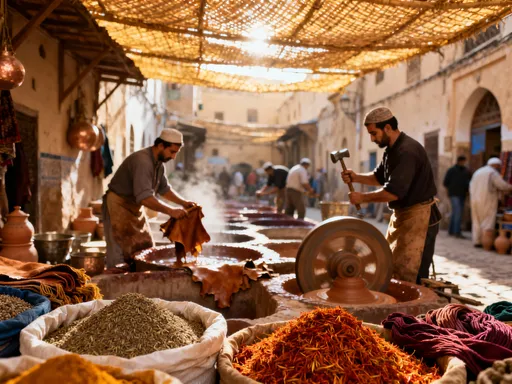
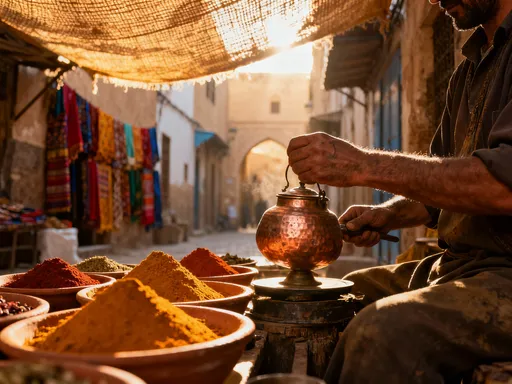
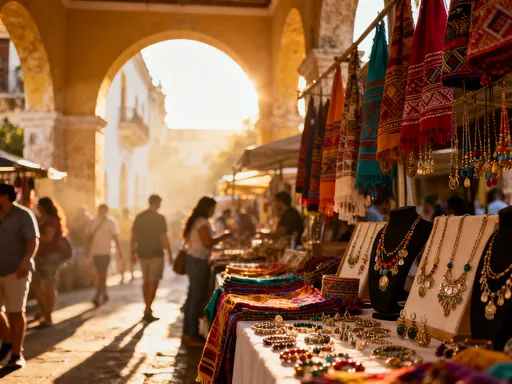
Nestled just inside Bab El Khemis, the main souk of Meknes pulses with energy from dawn until dusk. Unlike the more polished markets of Marrakech’s medina, this is where locals come to shop, barter, and catch up on news. The narrow alleyways brim with color—pyramids of turmeric glow golden under the sun, bolts of hand-dyed fabric drape from wooden beams, and copper teapots catch the light like treasure. What sets this souk apart is its balance between accessibility and authenticity. Tourists are welcome, but they are not the focus. Vendors speak Tamazight, Arabic, and French with equal ease, switching dialects depending on who approaches. A local might receive a warm greeting and a handful of free olives, while a foreigner gets a polite smile and a slightly higher starting price.
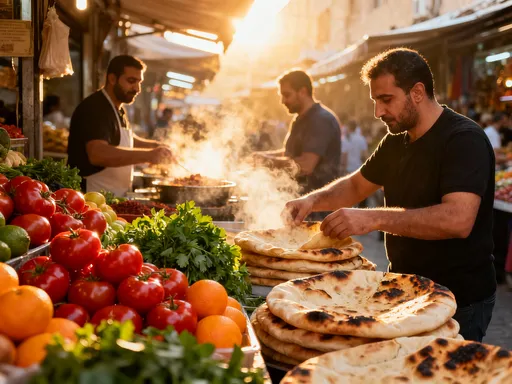
The rhythm of the market shifts throughout the day. Early mornings are best for experiencing the true heartbeat of the souk. By 8 a.m., butchers are already wrapping paper cones of slow-cooked lamb with preserved lemons, bakers pull fresh msemen from clay ovens, and farmers from nearby villages arrive with crates of figs, almonds, and fresh mint. By midday, the heat rises and the pace slows, but the market remains active. Afternoon brings schoolchildren buying snacks and housewives comparing prices on dried limes and cumin seeds. For visitors, this daily ebb and flow offers a chance to observe not just commerce, but community. The souk is not a stage—it is a living, breathing space where generations have traded goods and stories alike.
One of the most striking aspects of the main souk is the absence of aggressive sales tactics. While some vendors will call out to passersby, few resort to the persistent touting common in more tourist-heavy cities. Instead, engagement feels organic. A spice seller might invite you to smell a blend of dried rose petals and ginger, not because he expects a sale, but because he takes pride in his craft. A cobbler might show you how he repairs leather sandals using techniques passed down from his grandfather. These moments of connection are not scripted—they arise naturally from a culture that values hospitality and craftsmanship. For the mindful traveler, this creates a rare opportunity: to shop not as a consumer, but as a guest.
Beyond the Tourist Trail: Hidden Artisan Workshops
A short walk from the main souk, tucked down unmarked alleys and behind heavy wooden doors, lie Meknes’ hidden artisan workshops. These are not shops designed for foot traffic or Instagram posts. They are working studios where third-generation coppersmiths hammer intricate patterns into teapots, where weavers sit at wooden looms producing textiles that will take weeks to complete, and where woodcarvers chisel geometric motifs into door frames and furniture. These artisans are not performing for tourists—they are doing what they have always done, often in the same spaces their families have occupied for decades.
Finding these workshops requires curiosity and a willingness to wander. There are no signs, no brochures, and rarely any English spoken. But with a few key phrases in Arabic or French, and a respectful demeanor, travelers can gain access to spaces that few ever see. A local guide can help, but even solo explorers can stumble upon magic. One might follow the sound of rhythmic hammering down a quiet lane and find a coppersmith’s shop, walls lined with hand-beaten trays and lanterns. Another might ask a tea vendor where the best hand-carved boxes are made and be pointed toward a courtyard where an elderly craftsman shapes cedar wood with steady hands.
What makes these workshops so valuable is not just the quality of the work, but the direct connection they offer. Buying from an artisan means supporting a living tradition, not a middleman or a mass-produced export. A handwoven rug purchased directly from the weaver ensures that the full value goes to the creator. A copper teapot bought from the craftsman who shaped it carries with it a story—one of skill, patience, and cultural continuity. These are not souvenirs in the disposable sense; they are heirlooms in the making. And while prices may seem higher than those in tourist stalls, they reflect the true cost of handmade labor and sustainable practice.
Visitors should approach these spaces with respect. Photography should be requested, not assumed. Questions are welcome, but should be asked with genuine interest, not condescension. And while bargaining is common in Moroccan markets, it should be done fairly. These artisans are not wealthy; they rely on their work to support families. A modest discount is reasonable, but haggling down to an insultingly low price undermines the very tradition one claims to admire. By engaging with these workshops thoughtfully, travelers become part of a cycle of cultural preservation rather than mere consumption.
From Farm to Fountain: The Food Markets That Feed Meknes
No visit to Meknes is complete without a journey through its food markets, where the city’s culinary soul comes alive. Marché Central, the city’s main produce hub, is a feast for the senses. Rows of vendors display mountains of seasonal fruits and vegetables—plump eggplants, deep green zucchinis, and bright orange carrots arranged in neat pyramids. Olives glisten in large ceramic jars, their brine tinged with saffron and lemon. Butchers display cuts of lamb and chicken with precision, while fishmongers keep their catches fresh on beds of ice, brought in daily from the Atlantic coast.
What makes Meknes’ food markets special is their deep connection to local agriculture. The surrounding countryside—known as the “granary of Morocco”—produces wheat, olives, citrus, and dates in abundance. In autumn, vendors proudly display the season’s first dates, still sticky with syrup and fragrant with caramel notes. In spring, bunches of fresh mint and parsley fill the air with their sharp, green scent. These ingredients are not exotic imports; they are staples of daily life, used in everything from tagines to freshly brewed mint tea. Watching a local woman select a handful of coriander for her dinner stew offers a glimpse into the rhythms of Moroccan home cooking—a tradition that values freshness, simplicity, and shared meals.
One of the most rewarding experiences is visiting the prepared food section of the market, where small stalls serve hot dishes to workers, shoppers, and families. A vendor might ladle out steaming bowls of harira, the rich lentil and tomato soup traditionally eaten during Ramadan. Another might hand you a warm msemen, folded around melted cheese or honey, wrapped in paper and tied with string. These meals cost little but deliver maximum flavor and authenticity. They are not made for tourists; they are made for Moroccans who expect quality and comfort in every bite. Eating here is not just about sustenance—it’s about participation in the daily life of the city.
For travelers interested in bringing a taste of Meknes home, the food markets offer more than just snacks. Dried herbs, preserved lemons, and hand-packed spice blends can be purchased in small quantities, perfect for recreating Moroccan dishes abroad. A vendor might help you assemble a custom mix of cumin, cinnamon, and ginger for a personal ras el hanout blend. These small acts of culinary exchange turn shopping into a form of cultural dialogue. And when you later cook a meal using ingredients bought in Meknes, you’re not just feeding your family—you’re sharing a piece of a vibrant, living tradition.
Textiles & Tales: Shopping for Moroccan Rugs and Fabrics
Moroccan textiles are among the country’s most celebrated crafts, and Meknes offers a wealth of options for those seeking more than mass-produced souvenirs. The city’s rug and fabric markets range from small stalls in the medina to dedicated shops specializing in handwoven pieces. But not all rugs are created equal. Distinguishing between machine-made imitations and genuine handwoven textiles requires attention to detail, patience, and a bit of knowledge.
Authentic Berber rugs, for example, are typically made from wool sourced from the Atlas Mountains. Each tribe has its own symbolic language of patterns—diamonds for fertility, zigzags for water, crosses for protection. These designs are not decorative; they are stories passed down through generations. A true handwoven rug will have slight irregularities—uneven edges, subtle variations in dye—because it was made by hand, not machine. The back of the rug should show the same intricate knotting as the front, and the wool should feel dense and durable.
Urban weaving traditions in Meknes also produce stunning textiles, including finely embroidered fabrics used for kaftans and table runners. These pieces often feature silk threads, delicate floral patterns, and metallic accents. Unlike Berber rugs, which are typically made by women in rural cooperatives, urban textiles are often the work of male artisans trained in specialized embroidery schools. Both traditions are equally valuable, but they serve different purposes and carry different meanings.
When shopping for textiles, the key is to build trust. Reputable weavers will welcome questions, explain their process, and show you samples of their work. They won’t pressure you to buy. Bargaining is expected, but it should be respectful. A fair price reflects the hours of labor involved—some rugs take months to complete. And while it’s tempting to seek the lowest cost, remember that underpaying devalues the craft and harms the artisan. Instead, aim for a price that feels fair to both parties. When you bring a handwoven rug or fabric home, you’re not just acquiring an object—you’re honoring a legacy of skill, symbolism, and cultural identity.
Spice Alchemy: Navigating the Colorful World of Moroccan Herbs
The spice lanes of Meknes are nothing short of magical. Rows of small stalls overflow with vibrant powders and dried herbs—deep red paprika, golden turmeric, earthy cumin, and the prized saffron threads that shimmer like red gold. These are not just ingredients; they are the foundation of Moroccan cuisine, each carrying its own history, use, and significance. For centuries, Meknes has been a hub for spice trade, connecting inland producers with coastal and international markets. Today, the same families continue to blend, sell, and teach the art of spice mastery.
One of the most important skills for any visitor is learning to identify real saffron. Due to its high cost, saffron is often adulterated with safflower or marigold petals. Genuine saffron consists of thin, deep-red stigmas that release a rich golden hue when soaked in warm water. A quick test—place a few threads in water and wait five minutes—can reveal whether you’re getting the real thing. Reputable vendors will allow this test and take pride in their purity. They may even offer a small sample to prove their quality.
Another highlight is the opportunity to blend your own ras el hanout, a complex spice mix that varies from vendor to vendor. Some blends contain up to thirty ingredients, including cloves, nutmeg, allspice, and dried rose petals. A skilled spice seller will ask about your taste preferences and adjust the blend accordingly. This personal touch turns shopping into an experience, not just a transaction. And because these blends are made fresh, they retain their potency far longer than pre-packaged versions found in supermarkets.
The value of buying spices from a trusted local vendor goes beyond flavor. It supports small businesses, preserves traditional knowledge, and ensures you take home something truly authentic. A small tin of hand-blended ras el hanout may cost more than a tourist-market version, but it carries with it the expertise of a lifetime. And when you use it in your kitchen, you’re not just seasoning food—you’re continuing a centuries-old culinary tradition, one pinch at a time.
Modern Meets Traditional: Boutique Shopping in New Meknes
While the old medina holds the heart of Meknes’ shopping culture, the Ville Nouvelle—New Meknes—offers a different kind of experience. Here, wide boulevards and French-colonial architecture frame a growing scene of boutique shops run by young Moroccan entrepreneurs. These designers are reimagining tradition, blending classic craftsmanship with contemporary style. The result is a fresh, modern aesthetic that respects heritage while appealing to global tastes.
One can find updated versions of the traditional kaftan—now tailored with minimalist cuts, neutral palettes, and eco-friendly dyes. Ceramic artists are creating hand-painted plates and vases that combine zellige tile patterns with abstract forms. Leather goods, such as handbags and journals, are made from vegetable-tanned hides and stitched by artisans using age-old techniques. These products are not mass-produced; they are made in small batches, often to order. Each piece carries the mark of its maker, a quiet rebellion against fast fashion and disposable culture.
What makes these boutiques special is their commitment to sustainability and ethical production. Many use recycled materials, natural dyes, and fair labor practices. Some collaborate directly with rural cooperatives, ensuring that women weavers and potters receive fair compensation. Shopping here supports not just individual designers, but a broader movement toward conscious consumption. For travelers who value both beauty and responsibility, these shops offer the best of both worlds.
Visiting these boutiques also provides a window into the evolving identity of Moroccan youth. These entrepreneurs are proud of their roots but unafraid to innovate. They speak multiple languages, use social media to reach international audiences, and design with both local and global customers in mind. Their shops are not just stores—they are cultural bridges, connecting past and present, tradition and progress. By supporting them, visitors contribute to a future where Moroccan craftsmanship continues to thrive, not as a relic, but as a living, evolving art form.
Smart Shopping: Practical Tips for a Stress-Free Experience
Shopping in Meknes can be deeply rewarding, but it helps to approach it with a few practical strategies. First, carry cash—most vendors, especially in the medina and food markets, do not accept credit cards. Small bills are useful for bargaining and buying snacks. ATMs are available in Ville Nouvelle, but it’s wise to withdraw enough before entering the old city.
Bargaining is expected in most markets, but it should be done with respect. Start by asking the price, then offer about 50 to 60 percent of that amount. The vendor will counter, and after a few polite exchanges, you’ll likely settle on a fair price. The goal is not to “win” the negotiation, but to reach a mutual agreement. Smiling, speaking calmly, and showing genuine interest in the product go a long way. Avoid walking away in frustration—this can damage the interaction and reflect poorly on future visitors.
Timing matters. The best hours for shopping are in the morning, when vendors are fresh, stalls are fully stocked, and the weather is cooler. Afternoons can be slow, and some shops close for siesta between 1 and 3 p.m. Weekdays are less crowded than weekends, offering a more relaxed experience. If you’re looking for food items, go early—popular items like fresh bread or seasonal fruit sell out quickly.
Be cautious of overly pushy guides or “helpers” who appear out of nowhere. While some are legitimate, others may lead you to shops that pay commissions, resulting in higher prices. If you don’t want assistance, a polite but firm “no, thank you” is sufficient. Finally, when purchasing fragile items like ceramics or glassware, ask for proper packing. Many vendors provide cardboard boxes and shredded paper to protect your purchases during travel. Taking these simple precautions ensures that your shopping experience remains joyful from market to suitcase.
Conclusion
Shopping in Meknes isn’t just transactional—it’s a cultural conversation. Each purchase connects you to centuries of craftsmanship, family trades, and living history. Whether you’re holding a hand-beaten copper bowl, inhaling the aroma of freshly ground spices, or tracing the patterns of a Berber rug, you’re engaging with a tradition that has shaped Moroccan life for generations. This is not retail therapy; it’s relationship building. The vendor who lets you taste his dates, the weaver who explains her symbols, the spice seller who blends your custom mix—they are not just selling goods. They are sharing their world.
By choosing thoughtfully, travelers don’t just take home souvenirs—they carry forward stories worth sharing. They support sustainable practices, preserve endangered crafts, and honor the dignity of those who make with their hands. In a world of mass production and instant gratification, Meknes offers something rare: authenticity rooted in daily life. It invites us to slow down, to look closely, to listen. And in doing so, we don’t just see Morocco—we begin to understand it. So the next time you plan a trip, look beyond the famous names. Step into the medina of Meknes, follow the scent of cumin and cedar, and let the market reveal its secrets. You might just find more than you were searching for.