You Gotta See This: Fes’s Hidden Markets Are a Shopper’s Paradise
Wandering through Fes, Morocco, feels like stepping into another world—especially when you hit the souks. The colors, scents, and sounds pull you in, and before you know it, you’re haggling for hand-dyed wool or sipping mint tea in a tucked-away carpet shop. I didn’t expect to fall so hard for its shopping scene, but Fes delivers like nowhere else. These aren’t just markets—they’re living mazes of craft and culture. Every alleyway hums with centuries-old traditions, where artisans shape beauty from leather, clay, and thread, and commerce unfolds not in sterile malls but in sun-dappled passages lined with hand-carved doors and the scent of cumin and cedar. To shop here is to step into a rhythm older than tourism, where every purchase carries the weight of heritage and the warmth of human connection.
The Soul of Fes: Understanding Its Market Culture
Fes is not just Morocco’s spiritual and cultural heart—it is also its mercantile soul. The city’s marketplace tradition stretches back over a thousand years, rooted deeply in the founding of Fes el-Bali, the old medina, in the 9th century. Recognized as a UNESCO World Heritage site, this walled city is one of the world’s largest car-free urban zones and functions as a living testament to Islamic urban planning and artisanal economy. The souks are not a tourist invention but the enduring pulse of daily life, where generations of craftsmen have passed down skills in leatherwork, metal engraving, weaving, and pottery. These trades are more than livelihoods; they are identities, preserved through guild systems that still regulate quality and training in many quarters.
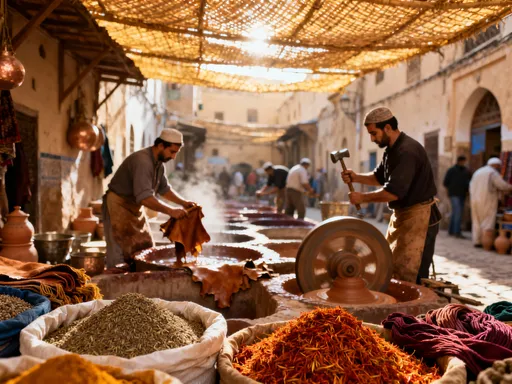
Walking into the medina is like entering a three-dimensional tapestry of sound, scent, and motion. The narrow, winding alleys—some barely wide enough for two people to pass—are shaded by overhanging buildings that filter sunlight into golden slivers. Donkey carts clatter over cobblestones, laden with goods from one workshop to another, while the call to prayer drifts from the minarets of Al-Qarawiyyin Mosque, the world’s oldest continuously operating university. The air carries a layered fragrance: fresh bread from communal ovens, pungent leather from the tanneries, and the sweet warmth of orange blossom water wafting from a nearby stall. This sensory richness isn’t incidental—it’s foundational to the shopping experience in Fes. Each sense is engaged, drawing visitors into a deeper appreciation of the craftsmanship on display.
Commerce in Fes has always been intertwined with craftsmanship. Unlike modern retail, where goods are mass-produced and shipped globally, Fes’s economy has long relied on localized production and direct exchange. Artisans work in open-fronted shops, allowing passersby to watch as they hammer copper, stitch embroidery, or paint intricate patterns on ceramics. This transparency fosters trust and invites interaction. The guilds, known locally as asnan, once controlled every aspect of production—from apprenticeship to pricing—and while their formal power has waned, their influence remains in the standards of excellence upheld by master craftsmen. When you buy a hand-tooled leather bag or a hand-thrown tagine pot, you’re not just acquiring an object; you’re participating in a lineage of skill and dedication that has shaped Fes for centuries.
Navigating the Medina: Where to Start Your Journey
For first-time visitors, the medina can seem overwhelming—its labyrinthine alleys twisting in all directions, with few street signs and no grid layout. But this complexity is part of its charm, and with a few practical strategies, navigation becomes not only manageable but deeply rewarding. The most iconic entry point is Bab Bou Jeloud, the grand blue-tiled gate that marks the western entrance to the old city. From here, the souks unfold like a map written in scent and sound. It’s best to arrive early in the morning, ideally between 8:00 and 9:30 a.m., when the heat is mild, the light is soft, and the crowds are still light. This timing also allows you to witness artisans beginning their day, opening shutters, and arranging their wares—a quiet, intimate moment before the market fully awakens.
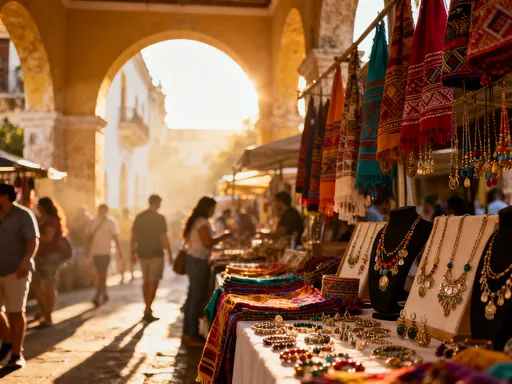
Once inside, it’s important to let go of the idea of a map. GPS is nearly useless within the medina’s dense stone corridors, and even local guides often navigate by memory and landmarks. Instead, use visual cues: a particular fountain, a brightly painted door, or a familiar spice stall with pyramids of turmeric and paprika. Many locals recommend following the flow of foot traffic, which naturally leads to the main commercial arteries. One such route takes you from Bab Bou Jeloud down Tala’a Kebira, the primary thoroughfare, where shops spill into the street with bolts of fabric, rows of babouches, and hanging lanterns. From there, side alleys branch off into specialized districts, each dedicated to a particular craft.
Three key zones form the backbone of the shopping experience. First, the leather district near the Chouara Tannery offers one of Fes’s most iconic—and pungent—sights. Here, vats of dye in vivid reds, yellows, and indigos surround open-air platforms where workers soften hides using traditional methods, including pigeon droppings and natural tannins. Visitors are often invited to watch from a terrace above, where mint leaves are handed out to offset the smell. Second, the textile alleys of Derb el Magazine are a haven for those seeking handwoven wool, silk scarves, and intricately embroidered caftans. The fabrics here are often dyed with natural pigments and stitched by hand, reflecting regional styles from across Morocco. Third, the metalwork section near Seffarine Square buzzes with the rhythmic clang of hammers shaping copper and brass. Lanterns, teapots, and trays are polished to a mirror shine, their surfaces engraved with geometric and floral motifs rooted in Islamic art.
Walking is the only way to truly experience the medina. There are no cars, and even bicycles are rare. Comfortable, closed-toe shoes with good grip are essential, as the cobblestones can be uneven and slick, especially after rain. A small backpack or crossbody bag helps keep your hands free while securing your belongings. While it’s tempting to rush from one shop to the next, the real magic lies in slowing down—pausing to watch a craftsman at work, accepting an offer of tea, or simply standing still to absorb the atmosphere. The medina rewards patience and curiosity, revealing its treasures not to those who hurry, but to those who wander with intention.
Must-Visit Shopping Areas: Beyond the Tourist Trails
While the main souks attract the majority of visitors, some of Fes’s most authentic shopping experiences lie just off the beaten path. These quieter corners offer a chance to connect more deeply with local artisans and discover pieces that feel personal rather than mass-produced. One such area is the Andalusian Quarter, located in the northern part of the medina. Known for its historic pottery workshops, this neighborhood is home to families who have practiced ceramic art for generations. Here, you’ll find zellige tiles—hand-cut mosaics in cobalt, emerald, and saffron—arranged in complex geometric patterns. Unlike factory-made tiles, these are chipped and shaped entirely by hand, giving each piece subtle imperfections that speak to its authenticity.
Visitors are often welcomed into open-air courtyards where potters shape clay on foot-powered wheels, their hands moving with practiced ease. After drying, the pieces are hand-painted with mineral-based glazes and fired in wood-burning kilns, a process that can take weeks from start to finish. Buying a ceramic plate, vase, or tagine directly from one of these workshops ensures that your purchase supports the artisan directly. Many potters are happy to explain their process, and some even allow guests to try their hand at painting a small tile—an unforgettable souvenir in itself.
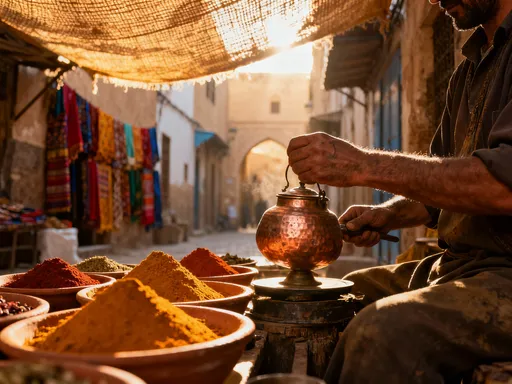
Another hidden gem is the cluster of spice stalls tucked behind Al-Qarawiyyin Mosque. While the main spice markets are well known, these smaller vendors cater more to locals, offering blends used in traditional Moroccan cooking. You’ll find deep red ras el hanout, a complex mix of over 20 spices; golden saffron threads sold by the gram; and toasted cumin ground fresh upon request. These stalls are often run by older men who remember customers by name and take pride in recommending blends for specific dishes. A small cloth bag of hand-mixed spices makes for a meaningful and practical keepsake, filling your kitchen back home with the essence of Fes.
Equally rewarding are the family-run ateliers hidden behind unmarked doors. These are not always advertised, but a curious glance down a narrow passage or a polite inquiry at a nearby shop can lead to an invitation inside. In one such atelier, a third-generation embroiderer might show you how fesi stitches—tiny, dense patterns in silk thread—are applied to bridal caftans, each design taking months to complete. In another, a woodcarver might demonstrate how cedar is shaped into ornate screens and furniture using only hand tools. These encounters are not transactions; they are glimpses into a way of life sustained by dedication and quiet mastery. By venturing beyond the main souks, you shift from being a shopper to becoming a witness to living heritage.
What to Buy: Authentic Crafts Worth Taking Home
The souks of Fes offer a wealth of handmade goods, but certain items stand out for their cultural significance, craftsmanship, and lasting value. Among the most iconic are the city’s leather products. Fes has been renowned for its leatherwork since the Middle Ages, and the Chouara Tannery remains one of the few places in the world where traditional methods are still used. Look for bags, satchels, and poufs made from vegetable-tanned leather, identifiable by their rich, earthy scent and deep, natural hues. Avoid items that smell strongly of chemicals or have unnaturally bright colors—these are likely dyed with synthetic pigments. A high-quality leather bag from Fes can last decades with proper care and serves as both a functional item and a piece of art.
Another must-buy is Fes’s hand-painted ceramics. These pieces are distinguished by their intricate designs, often featuring arabesques, calligraphy, or floral motifs in cobalt, green, and gold. The craftsmanship is so precise that patterns align seamlessly across curved surfaces, a testament to the painter’s skill. Tagine pots—both decorative and functional—are particularly popular. When purchasing, check for smooth glazing and even firing, which prevent cracking during use. Smaller items like spice bowls or tea glasses make excellent gifts and are easier to pack. Many workshops offer custom pieces, allowing you to select colors and patterns that reflect your taste.
Traditional babouches, the pointed leather slippers worn by Moroccans for centuries, are another favorite. Handmade from soft goat or camel leather, they come in vibrant colors and are often embroidered with silk thread. While not suited for wet or rough terrain, they make for elegant indoor footwear and a comfortable travel option. Look for soles that are stitched, not glued, for durability. Prices for babouches typically range from $25 to $60, depending on materials and detail.
For those seeking smaller, lightweight souvenirs, consider argan oil, cumin, or saffron. Argan oil, produced primarily by women’s cooperatives in southern Morocco, is prized for its moisturizing and anti-aging properties. Purchase from reputable vendors who can explain the sourcing and production process. Pure argan oil should be golden and slightly nutty in scent—avoid darker, greasy versions, which may be adulterated. Spices should be bought in small quantities, stored in airtight containers, and used within a few months to preserve flavor. A well-curated spice blend from Fes can elevate everyday cooking and serve as a sensory reminder of your journey.
When shopping, keep in mind that prices are rarely fixed. Haggling is expected and, when done respectfully, is part of the cultural exchange. A good rule of thumb is to start at about 40–50% of the initial asking price and negotiate from there. Remain polite, smile, and be willing to walk away if the price doesn’t feel right. Often, the shopkeeper will call you back with a better offer. Remember, the goal is not to win but to reach a fair price that honors the artisan’s labor.
Shopping Etiquette: How to Connect, Not Just Consume
In Fes, shopping is not a hurried transaction but a social interaction rooted in hospitality and mutual respect. Understanding local customs can transform a simple purchase into a meaningful connection. The first step is always a greeting. A simple “Salam alaikum” (peace be upon you) followed by a smile opens doors more effectively than any currency. Shopkeepers appreciate the effort, even if your Arabic is limited. From there, many will invite you to sit, offering a glass of sweet mint tea—a gesture that should rarely be refused. This is not a sales tactic but a genuine expression of welcome. Sharing tea creates a space for conversation, allowing you to learn about the craft, the artisan’s family, or the history of the shop.
Haggling, while common, is not an aggressive contest. It is a ritual of negotiation, often laced with humor and patience. The initial price quoted is rarely the final one, but pushing too hard or showing disrespect can damage the interaction. Avoid making lowball offers that insult the craft. Instead, express admiration for the item, ask about its making, and then gently suggest a price that feels fair. If the seller declines, respond with a smile and thank them for their time. You may be surprised how often this approach leads to a better offer or even an unexpected gift, like a small hand-painted tile or a sample of saffron.
One of the most memorable moments during my visit came in a small coppersmith’s workshop near Seffarine Square. After watching the artisan hammer a lantern for nearly an hour, I complimented his precision. Instead of quoting a price, he invited me to try the hammer myself—a moment of shared craft that deepened my appreciation. We ended up sharing tea, and when I finally bought the lantern, the price felt secondary to the connection we had built. These interactions are the soul of Fes’s markets. They remind us that behind every object is a person, a story, and a tradition worth honoring.
Supporting Local Artisans: Ethical Choices That Matter
Tourism brings vital income to Fes, but it also poses challenges to the sustainability of traditional crafts. As demand grows, so does the risk of mass-produced imitations and exploitative middlemen who undercut artisans’ earnings. To ensure your purchases have a positive impact, seek out workshops and cooperatives where craftspeople are fairly compensated. Many women’s cooperatives, particularly those producing argan oil or embroidered textiles, operate with transparency and reinvest profits into community development. Visiting these spaces not only guarantees authenticity but also supports economic empowerment and cultural preservation.
When possible, buy directly from the artisan rather than from a reseller in a tourist-heavy area. While convenience may tempt you to purchase a leather bag from a central stall, that same bag might have been bought from a workshop at a fraction of the retail price. By visiting the workshop itself—often just a short walk away—you ensure that your money goes straight to the maker. Many artisans welcome visitors and are proud to show their process. Ask questions about their training, their materials, and how long the piece took to create. These conversations deepen your appreciation and reinforce the value of handmade work in an age of fast fashion and disposable goods.
Supporting local artisans also helps preserve Morocco’s intangible cultural heritage. UNESCO has recognized several Moroccan crafts, including zellige tilework and traditional music, as part of the world’s cultural patrimony. When young people see that these skills can provide a dignified livelihood, they are more likely to continue the tradition. Every purchase becomes an act of preservation—an investment not just in an object, but in a way of life that might otherwise fade. By choosing thoughtfully, travelers become stewards of culture, helping to ensure that the souks of Fes remain vibrant for generations to come.
Final Tips for a Memorable Shopping Experience
To make the most of your time in Fes’s markets, a few simple preparations can go a long way. Wear comfortable shoes—preferably broken-in leather sandals or walking shoes with good support. The medina’s cobblestones are unforgiving, and you’ll likely walk several miles over the course of a day. Carry small bills in Moroccan dirhams, as many shopkeepers cannot make change for large notes. A scarf is also invaluable: use it to shield your face from dust, cover your shoulders when entering religious sites, or simply tie it around your bag for a pop of color.
Stay hydrated. The medina can be hot and crowded, especially in summer. Keep a small water bottle with you, and don’t hesitate to accept offers of tea or juice from shopkeepers. These gestures are not just kind—they are part of the rhythm of the day. Be mindful of your belongings, but avoid looking overly cautious; a relaxed demeanor invites friendliness. And remember, not every interaction needs to end in a purchase. Sometimes, the most valuable souvenir is a memory—a shared laugh, a story told, a craft observed in silence.
At the end of your shopping journey, consider winding down at a rooftop café overlooking the medina. Places like Café Clock or Terrasse des Epices offer panoramic views of the sea of red-tiled roofs, minarets, and distant mountains. Sip a glass of fresh orange juice or a cup of mint tea, and reflect on what you’ve seen and collected. Your bags may hold leather, ceramics, and spices, but your heart carries something deeper—the sense of having touched a living culture, one that values patience, beauty, and human connection.
Shopping in Fes is not about acquiring things. It is about immersion. It is about walking through alleys where time moves differently, where craftsmanship is not a hobby but a vocation, and where every interaction holds the potential for warmth and wonder. To visit the souks is to participate in a centuries-old dance of commerce and culture—one that continues to thrive, one handcrafted piece at a time.