You Won’t Believe How Singapore’s Urban Spaces Redefine City Life
Singapore isn’t just a city—it’s a living, breathing ecosystem of concrete, greenery, and human connection. I was stunned by how urban spaces here don’t just serve function, but spark joy, community, and surprise. From sky-high parks to hidden alleyway art, every corner feels intentional. This is urban design that doesn’t just impress—it connects. If you think cities are cold and impersonal, Singapore will change your mind.
The Green Pulse of a Concrete Jungle
Singapore has transformed the idea of a city from a sprawling expanse of steel and glass into a harmonious blend of nature and urban life. At the heart of this transformation is the national vision of becoming a 'City in a Garden'—a long-term commitment that began decades ago and continues to shape the city’s identity. Unlike many metropolises where green spaces are afterthoughts, in Singapore, nature is integrated into the urban blueprint from the ground up. The result is a city where trees tower over sidewalks, vines climb skyscrapers, and parks stretch from one neighborhood to the next, forming a continuous green network that serves both ecological and social purposes.
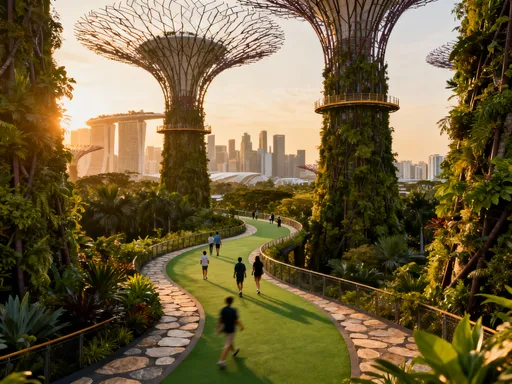
One of the most iconic symbols of this vision is Gardens by the Bay, a 101-hectare garden development located at the edge of the Marina Reservoir. Here, the Supertree Grove—vertical gardens ranging from 25 to 50 meters in height—doubles as environmental engines. These tree-like structures are embedded with photovoltaic cells to harvest solar energy, act as air venting ducts for nearby conservatories, and collect rainwater for irrigation. At night, they come alive with a synchronized light and sound show, drawing families, couples, and tourists into a shared moment of wonder. More than a spectacle, the gardens are a working model of sustainable urban design, demonstrating how beauty and function can coexist.
But the city’s green ambitions extend far beyond flagship attractions. The Park Connector Network (PCN) links over 300 kilometers of green corridors, allowing residents to walk, jog, or cycle from one end of the island to another without ever stepping onto a busy road. These pathways wind through forests, along rivers, and past residential estates, making nature a daily companion rather than a weekend destination. In neighborhoods like Bishan, the transformation of a concrete drainage channel into Bishan-Ang Mo Kio Park has created a 62-hectare oasis where children play by meandering streams and otters—once rare—now thrive in the restored ecosystem.
Scientific studies have shown that access to green spaces reduces stress, improves mood, and encourages physical activity. Singapore’s planners understand this deeply. Green roofs, vertical gardens, and street-level plantings are now standard in both public and private developments. Even high-rise apartments feature sky terraces filled with trees and seating areas, ensuring that residents on the 30th floor enjoy the same calming benefits as those at ground level. In a city where land is scarce, every square meter of greenery is a deliberate choice—one that prioritizes well-being over pure profit.
Skyline Living: High-Density, High-Comfort Urban Design
Density is often seen as the enemy of comfort, but in Singapore, it’s been reimagined as an opportunity for innovation. Over 80% of the population lives in public housing managed by the Housing & Development Board (HDB), and these high-rise towns are not just places to sleep—they are self-contained communities designed for quality of life. Far from the impersonal towers sometimes associated with urban housing, HDB neighborhoods are planned with a human touch, integrating homes, shops, schools, clinics, and parks within walking distance of one another.
The layout of these towns follows a hierarchical model: regional centers serve multiple neighborhoods, each neighborhood has its own shopping mall and hawker center, and every precinct includes playgrounds, fitness corners, and seating areas. This layered approach ensures that daily needs are met without long commutes, reducing car dependency and fostering a sense of local belonging. What’s more, mixed-use developments are increasingly common—residential units sit above retail spaces, and office buildings are connected to transit hubs, making life convenient and efficient.
One of the most striking examples of high-density comfort is Pinnacle@Duxton, a public housing complex in the Chinatown area. Completed in 2009, it consists of seven 50-story towers linked by sky bridges on the 26th and 50th floors. These elevated walkways offer panoramic views of the city, double as jogging tracks, and host community events like morning tai chi sessions and children’s art exhibitions. The rooftop sky garden, open to all residents and visitors, feels like a secret park in the clouds, complete with trees, water features, and shaded seating. It’s a powerful reminder that density doesn’t have to mean sacrifice—it can enable new forms of public space.
Urban planners in Singapore also prioritize natural ventilation, daylight, and noise reduction in building design. HDB flats are oriented to catch prevailing winds, and open corridors allow for cross-ventilation, reducing the need for air conditioning. Playgrounds are shaded with pergolas, and footpaths are covered with linkways, protecting residents from sun and rain. These details, though subtle, make a significant difference in daily comfort, especially in a tropical climate. By focusing on livability rather than just capacity, Singapore has shown that high-density living can be not only sustainable but deeply satisfying.
Public Spaces That Breathe: From Void Decks to Rooftop Gardens
In most cities, the ground floor of an apartment building is just a passageway—a dimly lit lobby or parking area. In Singapore, it’s often a vibrant social hub known as the 'void deck.' These open, column-free spaces at the base of HDB blocks are intentionally left unoccupied, serving as flexible community areas where residents gather, celebrate, and connect. It’s not unusual to see elderly residents playing chess, children chasing bubbles, or families setting up makeshift altars during festive seasons like Lunar New Year or Deepavali. These moments of spontaneous interaction are nurtured by design, turning what could be dead space into the heartbeat of a neighborhood.
The city’s planners understand that in a high-rise environment, communal spaces must be intentionally created. Beyond void decks, Singapore has embraced verticality in its public realm. Rooftop gardens, sky terraces, and elevated plazas are now standard features in both public and private developments. At Kampung Admiralty, a pioneering integrated complex in the northern part of the island, the entire building is designed as a 'village in the sky.' The ground floor houses a medical center and hawker stalls, the middle level contains a community club and childcare facilities, and the top is a lush, 6,500-square-meter public park with fruit trees, vegetable plots, and walking paths.
This vertical village concept is especially meaningful for older adults. Many of the flats are designed for seniors, with grab bars, non-slip flooring, and emergency call systems. The park above provides a safe, accessible place to exercise, socialize, and grow food—critical for physical and mental well-being. Studies have shown that social isolation among the elderly can be as harmful as smoking or obesity, and Kampung Admiralty directly addresses this by embedding care, community, and nature into one seamless structure. It’s no wonder the project has won international acclaim, including the prestigious Lee Kuan Yew World City Prize.
Other developments follow similar principles. In Tengah, a new housing town currently under construction, the planners are introducing the concept of a 'car-free town center' where residents can shop, dine, and socialize in a pedestrian-only environment shaded by a continuous canopy of trees. Underground parking keeps the surface level free for people, not vehicles. These innovations reflect a deeper philosophy: that public space should not be an afterthought, but the foundation of urban life. By designing spaces that breathe, Singapore ensures that even in a densely built environment, people have room to live fully.
The Art of the Alley: Hidden Culture in Urban Cracks
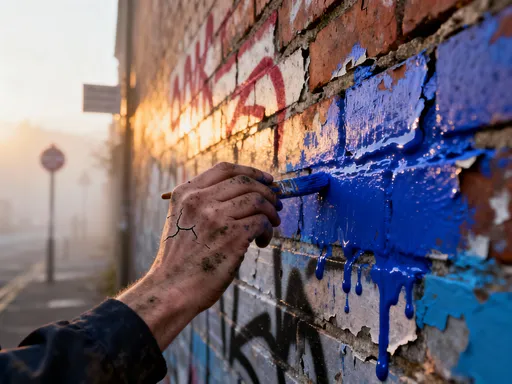
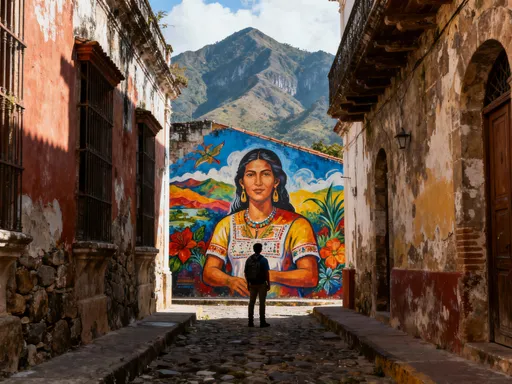
While Singapore is often praised for its cleanliness and order, it also harbors pockets of creative rebellion—small, unpolished spaces where individuality thrives. In neighborhoods like Tiong Bahru, Haji Lane, and Joo Chiat, narrow alleys and shophouse facades become canvases for street artists, independent café owners, and boutique retailers. These areas, though modest in size, pulse with cultural energy, offering a counterpoint to the city’s gleaming skyscrapers and manicured parks. They prove that urban life isn’t just about efficiency—it’s also about expression, discovery, and soul.
Tiong Bahru, one of the oldest housing estates in Singapore, has become a haven for artists and creatives. Its low-rise Art Deco buildings, originally built in the 1930s, now house tiny bookshops, artisan bakeries, and hidden murals. A stroll through its quiet streets might lead you to a wall painted with a giant-eyed cat or a café serving single-origin pour-over coffee in a space no larger than a living room. These experiences feel intimate, personal—like secrets shared between friends. The district’s charm lies in its imperfections: peeling paint, uneven sidewalks, and the occasional clothesline strung between buildings. These details, often erased in newer developments, are preserved here, adding character and authenticity.
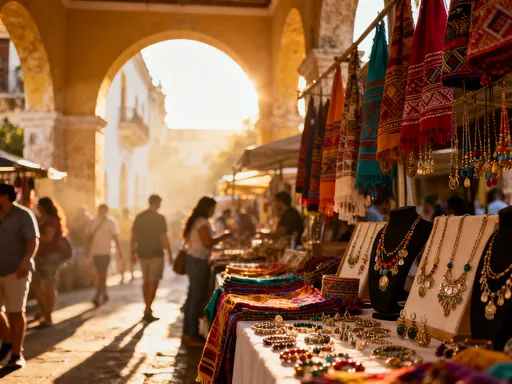
Haji Lane, tucked behind the historic Sultan Mosque, is another example of grassroots culture flourishing in tight urban spaces. Once a quiet residential lane, it has evolved into a vibrant hub for independent fashion, live music, and street art. On weekends, the street is closed to traffic, and locals and tourists alike spill out from cafés and bars, browsing handmade jewelry or listening to acoustic sets under fairy lights. The buildings are painted in bold colors—magenta, turquoise, sunflower yellow—creating a visual feast that contrasts with the city’s more restrained architecture.
What makes these spaces possible is a supportive urban policy. The Urban Redevelopment Authority (URA) has designated conservation areas where building facades must be preserved, encouraging adaptive reuse rather than demolition. At the same time, the government offers grants and mentorship programs for small businesses and artists, recognizing that culture doesn’t always come from grand institutions—it often starts in the cracks. By protecting these micro-environments, Singapore ensures that its urban landscape remains diverse, dynamic, and human-scaled. In a city that could easily become too polished, these alleys remind us that beauty also lives in the unexpected.
Mobility Without Madness: How the City Moves Smoothly
One of the greatest challenges of urban life is getting around—safely, quickly, and without stress. In Singapore, this challenge has been met with a transport system that is not only efficient but deeply integrated into the urban fabric. The Mass Rapid Transit (MRT) network spans over 230 kilometers, connecting every major town and business district with clean, air-conditioned trains that arrive every 2 to 5 minutes during peak hours. More than just a way to commute, the MRT is a public service designed for inclusivity, with tactile guiding paths for the visually impaired, priority seating, and real-time information displays in multiple languages.
But the city’s mobility strategy goes beyond trains. A vast network of covered walkways—known as 'linkways'—shields pedestrians from sun and rain, making walking a comfortable option even during tropical downpours. These pathways connect housing estates to MRT stations, schools, and shopping centers, ensuring that residents can complete daily tasks without needing a car. In fact, car ownership in Singapore is deliberately discouraged through high taxes, congestion pricing, and a quota system known as the Certificate of Entitlement (COE). While this may seem restrictive, it has led to a culture where public transport is not a last resort, but the preferred choice.
Cycling is also being prioritized. The Park Connector Network includes dedicated cycling lanes, and new towns like Tengah and Punggol are being built with wide, car-free paths for bikes and pedestrians. The government has set a target for 90% of peak-hour journeys to be made by public transport, walking, or cycling by 2040—a goal supported by ongoing investments in infrastructure. Future projects like the Cross Island Line, set to be the longest underground MRT line in Singapore, will further improve connectivity, especially for residents in the eastern and western parts of the island.
Perhaps most innovative is the concept of 'car-lite' towns, where the center is designed to be car-free, and vehicles are parked on the periphery. This not only reduces traffic and pollution but also creates safer, quieter environments for children to play and elders to walk. In these spaces, the street belongs to people, not machines. By rethinking mobility as a system of seamless connections rather than isolated routes, Singapore has created a city that moves with grace—a place where getting from A to B feels less like a chore and more like part of the day’s rhythm.
Water as Urban Theater: Managing Resources with Style
In many cities, waterways are hidden behind concrete walls or buried underground. In Singapore, they are celebrated as public assets—beautiful, functional, and alive. The Active, Beautiful, Clean Waters (ABC Waters) program, launched in 2006, is a visionary initiative that transforms utilitarian drains and canals into scenic, community-friendly spaces. The idea is simple but profound: infrastructure should not only work well—it should also enrich daily life.
The Singapore River, once polluted and choked with waste, is now a sparkling centerpiece of the city’s downtown. Restored through decades of cleanup efforts, it is flanked by promenades, restaurants, and performance spaces. At night, the surrounding skyscrapers light up the water like a mirror, creating a postcard-perfect scene. But the river is more than a backdrop—it’s a place where people gather for evening strolls, dragon boat races, and open-air concerts. Similarly, the Kallang Basin has been redeveloped into a vibrant sports and lifestyle hub, with jogging tracks, water sports facilities, and floating restaurants.
Bishan-Ang Mo Kio Park is perhaps the most dramatic example of this philosophy in action. Once a straight, concrete-lined drainage channel, it was transformed in 2012 into a naturalized river with meandering banks, wetlands, and native vegetation. The project was not just about aesthetics—it was a flood management solution that increased the canal’s water flow capacity by 40%. Today, families picnic by the water, children splash in shallow pools, and kingfishers dive for fish in the reeds. The park demonstrates that engineering and ecology can work hand in hand, creating spaces that are both resilient and delightful.
Water-sensitive urban design is now embedded in Singapore’s planning codes. New developments are required to manage stormwater on-site through features like rain gardens, permeable pavements, and green roofs. Even schools and hospitals incorporate water elements into their landscapes, using them as educational tools and calming features. By treating water as a partner rather than a problem, Singapore has turned necessity into beauty—a lesson that other cities facing climate change and urbanization would do well to learn.
The Human Touch: How Urban Design Serves People, Not Just Progress
At its core, Singapore’s urban success is not about technology or scale—it’s about people. Every policy, every project, every design decision ultimately circles back to the question: Who does this serve? The answer, increasingly, is everyone. From toddlers to seniors, from commuters to caregivers, the city is being reshaped to accommodate diverse needs and life stages. This human-centered approach is what sets Singapore apart from other high-performing cities that prioritize efficiency over empathy.
Accessibility is a key pillar of this philosophy. Public spaces are designed with universal access in mind—ramps, tactile flooring, wide doorways, and elevators are standard. The MRT system is continuously upgraded to be fully wheelchair accessible, and buses are equipped with low floors and designated seating. In housing, the government promotes the Build-To-Order (BTO) scheme, which allows families to customize flats to suit their needs, including options for elderly-friendly layouts with grab bars and open-plan bathrooms.
Equally important is the role of community feedback. Before major developments are approved, residents are invited to participate in consultation sessions, workshops, and exhibitions. Their input shapes everything from park layouts to hawker center designs. This participatory model ensures that urban planning is not a top-down process, but a collaborative one. When people feel heard, they are more likely to take ownership of their neighborhoods, leading to stronger social cohesion.
Perhaps the most touching example of this human focus is the proliferation of 'kampung spirit'—a Malay term referring to the close-knit, caring relationships of a traditional village. Despite living in a modern metropolis, many Singaporeans still look out for one another. Void decks become impromptu care centers when a neighbor falls ill; community gardens bring strangers together to grow vegetables; and festivals like Hari Raya and Chinese New Year turn public spaces into shared celebrations. Urban design doesn’t create community on its own, but it can nurture the conditions for it to flourish.
Singapore’s journey is not without challenges—rising costs, aging infrastructure, and the need for greater biodiversity are ongoing concerns. Yet, the city’s ability to adapt, innovate, and prioritize people offers a powerful model for urban living in the 21st century. It proves that a city can be both a marvel of engineering and a home for the human spirit.
Singapore’s urban spaces prove that cities can be both efficient and soulful. It’s not about size or skyline, but how design serves life. This is the future of urban living—thoughtful, green, and deeply human.