This Is What Happens When You Dive Into Palau’s Wild Blue Heart
You know that feeling when nature just slaps you with beauty? That’s Palau. I’m talking crystal waters, jungle-covered islands, and coral reefs so alive they feel like another planet. I went not to check a box, but to explore—and wow, did it deliver. This isn’t just a getaway; it’s a deep dive into Earth’s last unspoiled corners. If you crave raw, untouched natural scenery, Palau isn’t optional. It’s essential. The moment you descend toward its emerald archipelago from the sky, you sense it: this is different. There are no sprawling cities, no traffic, no noise—just water, rock, and green. In a world where so much feels overexplored, Palau remains a sanctuary, preserved by isolation, protected by policy, and revered by those who’ve witnessed its quiet majesty.
First Glimpse: Arrival in a Hidden World
Reaching Palau is part of the journey—and the transformation. Most travelers arrive via long-haul flights, often connecting through Manila, Tokyo, or Guam. The final leg, a shorter hop to Roman Tmetuchl International Airport on Babeldaob Island, offers the first breathtaking panorama. As the plane descends, the Pacific unfurls below in shades of sapphire and jade. Tiny limestone islands rise like sentinels from the sea, scattered across miles of open water. There are no highways, no skyscrapers—just nature in command. The air upon stepping off the plane is warm and humid, carrying the scent of salt and tropical foliage. Light here feels different—cleaner, sharper—bouncing off the water with a clarity that seems almost unreal.
Palau’s geographic isolation is key to its preservation. Located roughly 500 miles east of the Philippines and 2,000 miles southwest of Tokyo, it is one of the most remote island nations in the Pacific. This distance has acted as a natural buffer, limiting mass tourism and industrial development. The country comprises over 250 islands, though only a handful are inhabited. Its tropical climate—warm year-round with a wet season from May to November—supports dense rainforests and thriving marine ecosystems. The ocean surrounding Palau is not just beautiful; it is among the most biologically diverse in the world, a fact recognized by scientists and conservationists globally.
What strikes visitors immediately is the silence. There are no horns, no sirens, no constant hum of machinery. Instead, there’s the lap of waves, the rustle of palm fronds, and the distant call of birds. This stillness is not emptiness—it’s fullness of a different kind. It’s the sound of nature uninterrupted. For many, especially those from bustling urban environments, this sensory shift is profound. The mind begins to slow. The breath deepens. The body relaxes. Palau doesn’t just welcome you—it recalibrates you.
Rock Islands: Nature’s Sculpture Park
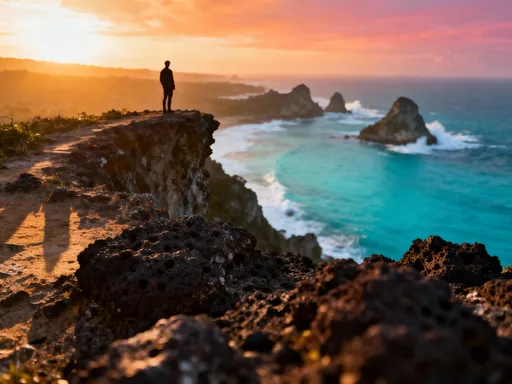
Emerging from the turquoise waters of the lagoon, the Rock Islands are Palau’s most iconic feature. These more than 300 limestone formations, cloaked in lush jungle, rise abruptly from the sea like ancient monuments sculpted by time and tide. Some are small domes barely breaking the surface; others tower over 200 feet high, their steep cliffs draped in vines and ferns. The contrast between the deep blue ocean and the emerald peaks creates a visual rhythm that feels almost surreal. Seen from above, they resemble a fleet of stone ships frozen mid-voyage. From the water, they loom like silent guardians of a hidden world.
Geologically, the Rock Islands formed over millions of years through the uplift of ancient coral reefs, followed by erosion from rain and waves. Their interiors are riddled with caves, sinkholes, and underground rivers—remnants of a time when sea levels were lower. The most famous of these is Jellyfish Lake, a marine lake filled with millions of stingless jellyfish that migrate across the lake daily, following the sun. While access to the lake is now restricted to protect its delicate balance, the story of its existence speaks to the uniqueness of Palau’s ecosystems.
Kayaking through the narrow channels between the islands is one of the most intimate ways to experience their magic. Paddling in silence, you glide between towering walls of rock, their surfaces pitted and carved by centuries of wind and water. Sunlight filters through gaps in the canopy, casting shifting patterns on the surface. Hidden lagoons open up unexpectedly—small, circular pools of calm water surrounded by jungle, accessible only by narrow passages. Some of these contain ancient rock art, faint ochre handprints left by early inhabitants, a quiet testament to human presence over thousands of years.
The interplay of water, rock, and vegetation creates microhabitats found nowhere else. Mangroves cling to the base of the islands, their tangled roots sheltering juvenile fish and crustaceans. Seabirds nest in crevices, their calls echoing across the water. The air is thick with the scent of damp earth and blossoming orchids. Every turn reveals a new composition—nature’s own gallery of living art. This is not a landscape shaped for human convenience; it is one that demands respect, patience, and presence.
Underwater Wonders: Life Beneath the Surface
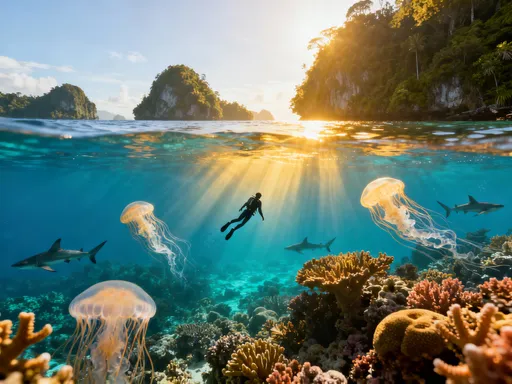
If the Rock Islands captivate from above, Palau’s true marvel lies beneath the waves. The archipelago is part of the Coral Triangle, the epicenter of marine biodiversity on Earth. Its reefs are home to over 1,300 species of fish and 500 species of coral—more than in the entire Caribbean Sea. Diving here is not just recreation; it’s immersion in a living ecosystem so rich and complex it defies description. The colors are electric: neon parrotfish, iridescent angelfish, schools of blue tangs moving in synchronized waves. The coral itself is a tapestry—brain coral, staghorn, table coral—each formation a city for tiny creatures.
One of the most renowned dive sites is Blue Corner, a reef wall that drops into the abyss. Here, strong currents bring nutrient-rich water, attracting sharks, tuna, and barracuda. It’s common to see gray reef sharks patrolling the edge, their movements effortless and precise. For experienced divers, the thrill of drifting along the wall, surrounded by predators and pelagics, is unforgettable. Yet even for snorkelers, the underwater world is accessible. In shallow bays and lagoons, you can float above gardens of coral, watching clownfish dart in and out of anemones, or spot a sleeping nurse shark under a ledge.
Jellyfish Lake, though no longer open for regular visits, remains a symbol of Palau’s ecological uniqueness. The golden jellyfish that live there have evolved over millennia in isolation, losing their sting because they have no natural predators. Their daily migration across the lake—following the sun to nourish the symbiotic algae in their tissues—is a delicate dance of survival. The fact that such a phenomenon exists at all is a reminder of how much we still have to learn about the natural world.
Palau has taken bold steps to protect these treasures. In 2009, it established the world’s first shark sanctuary, banning all commercial shark fishing within its waters. Today, over 80% of its marine territory is designated as a no-take zone, meaning no fishing, no extraction, no disturbance. These measures are not just symbolic—they are enforced. Rangers patrol the waters, and violators face steep fines. Divers are required to follow strict guidelines: no touching, no feeding, no collecting. The message is clear: you are a guest here. Observe, admire, but do not disrupt.
Beyond the Postcard: Off-the-Beaten-Path Encounters
While the Rock Islands and famous dive sites draw the crowds, Palau’s deeper magic lies in its quieter corners. Venture beyond the tourist routes, and you’ll find remote beaches where the sand is powdery white and the only footprints are from crabs. Mangrove forests stretch along sheltered coastlines, their roots forming intricate labyrinths that filter water and protect shorelines. These ecosystems are vital nurseries for fish and crustaceans, yet they are often overlooked by visitors focused on reefs and lagoons.
One such place is Ngermeduu Bay on the west side of Babeldaob. Accessible only by boat, it’s one of the largest mangrove systems in Micronesia. Canoeing through its narrow waterways, you glide beneath a canopy of tangled roots, watching herons stalk the shallows and mudskippers scramble across exposed banks. The silence is profound—broken only by the dip of the paddle and the occasional splash of a jumping fish. This is not a place for adrenaline; it’s a place for reflection, for noticing the small things: a spiderweb glistening with dew, a crab camouflaged in the mud, a flower blooming on a vine.
Equally rewarding are visits to traditional villages, where life moves in rhythm with the tides and seasons. In places like Airai or Melekeok, families still practice subsistence farming and fishing, using methods passed down for generations. Some offer guided reef walks, where a local elder leads you across the exposed reef at low tide, pointing out sea cucumbers, giant clams, and medicinal plants. These are not performances for tourists—they are genuine invitations to learn, to connect, to understand.
What makes these experiences so powerful is their authenticity. There is no staged dancing, no souvenir stalls. Instead, there is conversation, shared meals, stories told under the shade of a breadfruit tree. You learn that the name Palau comes from the word *belau*, meaning “land of plenty,” and you begin to understand why. This is not a place of excess, but of balance—between people and nature, between past and present. To witness it is to remember that there are other ways to live.
How to Move Through Paradise: Practical Exploration Tips
Planning a trip to Palau requires thought and preparation, but the rewards are well worth the effort. The best time to visit is during the dry season, from November to April, when skies are clear, rainfall is minimal, and visibility underwater is at its peak. While the wet season brings lush greenery, it also means more humidity, occasional storms, and rougher seas—factors that can affect boat tours and diving conditions.
Most visitors base themselves on Koror, the commercial hub, or on nearby Peleliu or Angaur for a more remote feel. Island-hopping is a popular way to explore, and several local operators offer multi-day boat tours that include snorkeling, kayaking, and cultural stops. These range from basic charters to more comfortable liveaboard experiences. For those who prefer land-based stays, guesthouses and eco-lodges are available, often run by families with deep ties to the community.
When packing, prioritize lightweight, quick-drying clothing, reef-safe sunscreen, and sturdy water shoes. A wide-brimmed hat and polarized sunglasses will help protect against the strong equatorial sun. For diving, most operators provide gear, but bringing your own mask and snorkel ensures a proper fit. Don’t forget a waterproof camera—memories are precious, but capturing the colors of the reef is nearly impossible without one.
Physical fitness matters, especially for activities like kayaking, reef walking, or hiking through jungle trails. While many experiences are suitable for all ages, some require moderate stamina. Always listen to your body and communicate with guides about your comfort level. Most importantly, choose operators that prioritize sustainability. Look for those who follow the Palau Pledge, limit group sizes, and educate guests about conservation. Your choices matter—not just for your experience, but for the future of the place you’re visiting.
Why Palau Changes How You See Nature
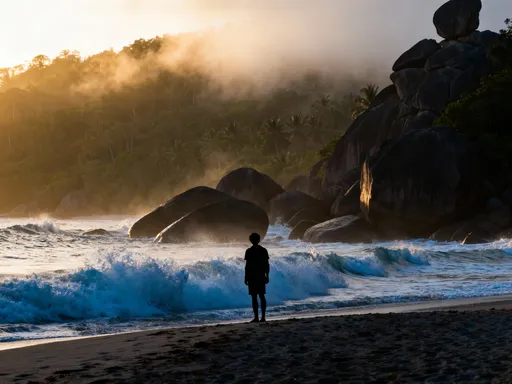
There is a moment, hard to define, when Palau shifts from being a destination to becoming a revelation. It might happen while floating above a coral garden, watching a sea turtle glide past. Or while standing on a quiet beach, hearing only the wind and the waves. Or while sitting with an elder, learning the name of a plant that heals. In these moments, something inside recalibrates. The noise of daily life—the emails, the chores, the endless to-do lists—fades into irrelevance.
This is not escapism. It is reconnection. Palau doesn’t offer distraction; it offers clarity. In a world where nature is often treated as a resource to be used, Palau stands as proof that another relationship is possible—one based on respect, reciprocity, and awe. The absence of billboards, of advertisements, of constant stimulation allows space for reflection. You begin to notice patterns: the way light moves across water, the way birds call at dawn, the way the tide reshapes the shore each day.
For many women in their 30s to 50s—often juggling careers, family, and personal well-being—this kind of stillness is rare, even radical. It is not about abandoning responsibility, but about reclaiming presence. Immersing yourself in such a pristine environment can spark a deeper awareness: of your own rhythms, of your connection to the planet, of what truly matters. It’s not uncommon to return home with a renewed sense of purpose, a clearer mind, and a quieter heart.
Palau doesn’t shout its lessons. It whispers them. And in that whisper, there is wisdom: that beauty is not just to be consumed, but to be honored; that simplicity can be profound; that protection is not a burden, but a privilege.
Protecting the Wild: The Future of Exploration
The greatest threat to Palau is not from within, but from forces beyond its shores. Climate change, with its rising sea temperatures and ocean acidification, poses a direct danger to coral reefs. Even in Palau’s protected waters, bleaching events have occurred, a sobering reminder that no place is immune. Overfishing in distant waters disrupts marine food chains. Plastic pollution, carried by currents from faraway lands, washes up on remote beaches. The challenges are global, but the response must be local—and personal.
Palau has taken a leadership role in conservation. In 2015, it launched the Palau Pledge, a mandatory eco-pledge that every visitor must sign upon arrival. Stamped into passports, it reads: “I take this pledge, as your guest, to preserve and protect your beautiful and unique island home.” This simple act transforms tourism into a covenant. It reminds travelers that they are not just consumers, but stewards.
The country has also implemented strict environmental regulations: banning harmful sunscreens, limiting fishing, and creating marine protected areas. These policies are not easy—they require sacrifice and enforcement—but they reflect a deep cultural value: that the land and sea are not owned, but borrowed, from future generations. This philosophy, rooted in tradition, is now a model for sustainable tourism worldwide.
As travelers, we have a choice. We can visit places like Palau as spectators, taking what we want and leaving behind waste and wear. Or we can come as guests, moving gently, learning deeply, giving back where we can. We can support local businesses, respect cultural norms, and minimize our footprint. We can teach our children that exploration is not about conquest, but about care.
Palau isn’t just a destination—it’s a reminder of what our planet once was, and could still be. To explore it is to witness nature in its purest form, not as a spectator, but as a humble guest. The beauty here doesn’t shout; it whispers, demanding reverence. In choosing how we travel, we choose what we protect. Let Palau inspire not just wanderlust, but wisdom.