What If Your Workout Could Turn Back Time?
Ever wonder why some people seem to age slower than others? Science is increasingly showing that the answer isn’t just genetics or expensive skincare—it may lie in something far more accessible: regular physical activity. While aging is a natural process marked by cellular decline, research reveals that exercise can slow, and in some cases even reverse, key biological markers of aging. From preserving DNA integrity to boosting brain function and maintaining physical strength, movement acts as a powerful modulator of how we age. This isn’t about turning back the clock in a cosmetic sense, but about enhancing healthspan—the years we live with energy, clarity, and independence. The choices we make today, especially around physical activity, can profoundly shape how we feel and function in the decades to come.
The Aging Puzzle: What Really Happens to Your Body Over Time?
Aging is often viewed as simply the passage of time, but biologically, it’s a complex cascade of changes occurring at the cellular and molecular levels. One of the most well-documented processes is telomere shortening. Telomeres are protective caps at the ends of chromosomes, much like the plastic tips on shoelaces. Each time a cell divides, these caps get shorter. When they become too short, the cell can no longer divide and either becomes inactive or dies. This gradual loss contributes to tissue aging and increased vulnerability to disease. Studies have linked shorter telomeres to a higher risk of age-related conditions such as cardiovascular disease, diabetes, and certain cancers.
Another critical aspect of aging is mitochondrial decline. Mitochondria are the energy-producing structures within cells, often referred to as the “powerhouses.” As we age, these organelles become less efficient, leading to reduced energy output and increased production of harmful free radicals. This oxidative stress damages cells and accelerates aging. Additionally, chronic low-grade inflammation, sometimes called “inflammaging,” becomes more prevalent with age. Unlike acute inflammation that helps heal injuries, this persistent state contributes to tissue damage and is associated with arthritis, neurodegenerative diseases, and metabolic disorders.
These internal changes manifest in visible and functional ways. People may notice decreased stamina, slower recovery from illness, stiffer joints, and changes in body composition—such as increased fat and decreased muscle mass. Skin may lose elasticity, and mental sharpness can wane. However, these changes are not inevitable at the same rate for everyone. Lifestyle factors, particularly physical activity, play a significant role in modulating how quickly these processes unfold. While we cannot stop time, we can influence how our bodies respond to it. Understanding these biological mechanisms helps clarify why certain interventions, especially exercise, are so effective in promoting healthier aging.
Exercise as a Biological Reset: How Movement Influences Aging at the Cellular Level
Emerging research suggests that exercise functions as a kind of biological reset, directly influencing the cellular processes that drive aging. One of the most compelling findings is the link between physical activity and telomere maintenance. Multiple studies have shown that individuals who engage in regular moderate to vigorous exercise tend to have longer telomeres compared to their sedentary peers. For example, a large-scale study published in the journal *Preventive Medicine* found that adults who met recommended exercise guidelines had telomeres that appeared biologically younger by up to nine years. While correlation does not prove causation, the consistency of these findings across populations suggests a strong protective effect.
The mechanism behind this benefit appears to involve reduced oxidative stress and enhanced activity of telomerase, an enzyme that helps rebuild telomeres. Exercise stimulates antioxidant defenses, helping neutralize free radicals that would otherwise damage DNA. It also promotes better blood flow and oxygen delivery, improving overall cellular health. Both aerobic exercise—such as brisk walking, swimming, or cycling—and resistance training—like lifting weights or using resistance bands—have been shown to support telomere integrity. This means that a balanced fitness routine may offer broader anti-aging benefits than focusing on a single type of activity.
Additionally, exercise enhances DNA repair mechanisms. As we age, our cells accumulate DNA damage from environmental factors and normal metabolic processes. The body has built-in repair systems, but their efficiency declines over time. Physical activity has been found to upregulate genes involved in DNA repair, helping cells maintain genomic stability. This is particularly important in preventing mutations that could lead to cancer or other degenerative conditions. Furthermore, exercise reduces chronic inflammation by lowering levels of pro-inflammatory markers such as C-reactive protein and interleukin-6. These combined effects—preserving telomeres, reducing oxidative stress, enhancing DNA repair, and dampening inflammation—position exercise as one of the most powerful tools available for slowing biological aging.
Energy, Stamina, and Vitality: Why You Feel Younger When You Move
One of the most immediate and noticeable benefits of regular exercise is increased energy and stamina. Many people report feeling more alert, less fatigued, and better able to manage daily tasks after establishing a consistent routine. This isn’t just a psychological boost—it reflects real physiological changes. At the core of this transformation is improved mitochondrial function. Exercise stimulates the production of new mitochondria and enhances the efficiency of existing ones, a process known as mitochondrial biogenesis. This means cells can produce more energy with less effort, reducing feelings of sluggishness and enhancing endurance.
Better circulation also plays a key role. Physical activity strengthens the heart and improves blood vessel elasticity, allowing oxygen and nutrients to be delivered more effectively throughout the body. This enhanced perfusion benefits every organ system, from muscles to the brain. For instance, improved cerebral blood flow supports mental clarity, focus, and mood regulation. Hormonal balance contributes further to this sense of vitality. Exercise helps regulate cortisol, the stress hormone, and boosts the production of endorphins and other neurotransmitters linked to well-being. Over time, these changes create a positive feedback loop: feeling more energetic encourages greater physical activity, which in turn sustains energy levels.
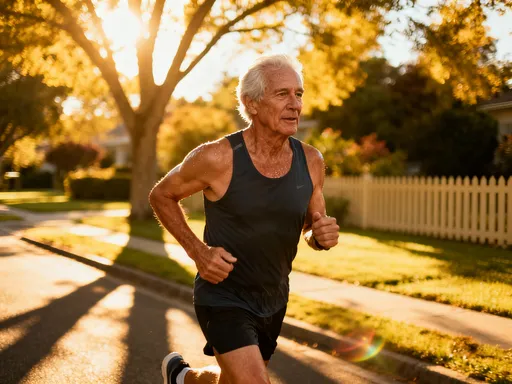
For middle-aged and older adults, this boost in stamina can be life-changing. Simple activities like climbing stairs, carrying groceries, or playing with grandchildren become easier and more enjoyable. The ability to stay active without excessive fatigue is a hallmark of healthy aging. Importantly, these benefits do not require intense workouts. Even moderate activities like daily walking or gardening have been shown to improve energy metabolism and reduce perceived fatigue. The key is consistency. Over months and years, the cumulative effect of regular movement leads to a sustained increase in functional capacity, helping individuals maintain independence and quality of life well into later years.
Muscle, Posture, and Skin: The Visible Youth-Boosting Effects of Strength Training
While internal changes are crucial, many people are also motivated by how aging affects their appearance and physical presence. Strength training offers tangible, visible benefits that contribute to a more youthful look and feel. As we age, we naturally lose muscle mass—a condition known as sarcopenia. After age 30, adults can lose 3% to 5% of muscle mass per decade, accelerating after 60. This loss affects not only strength but also metabolism, balance, and body composition. Fat tends to replace muscle, leading to a softer, less defined physique. Strength training combats this decline by stimulating muscle protein synthesis, helping preserve and even rebuild lean tissue.
Beyond muscle mass, strength training supports better posture and joint stability. Strong core and back muscles help maintain an upright stance, reducing the tendency to slouch or develop a rounded upper back. This improved alignment not only enhances appearance but also reduces the risk of back pain and injury. Additionally, stronger muscles support the skin’s underlying structure. While exercise does not eliminate wrinkles, maintaining muscle tone can reduce sagging, particularly in areas like the arms, thighs, and face. Some research even suggests that facial muscle engagement during full-body exercise may contribute to improved facial circulation and tone.
Improved blood flow from regular physical activity also benefits skin health. Exercise increases circulation, delivering oxygen and nutrients to skin cells while aiding in the removal of waste products like carbon dioxide and free radicals. This enhanced perfusion can give the skin a healthier, more radiant appearance. Some studies have observed that long-term exercisers have thicker dermal layers and more organized collagen fibers—indicators of younger-looking skin. While skincare products focus on the surface, exercise works from within, supporting skin integrity at a structural level. These effects are not about achieving perfection but about maintaining vitality and confidence in one’s body through the years.
Brain Health and Long-Term Clarity: How Fitness Protects Cognitive Function
Perhaps one of the most profound anti-aging benefits of exercise lies in its ability to protect and enhance brain health. Cognitive decline is a major concern for aging adults, but research consistently shows that physically active individuals have a lower risk of dementia, Alzheimer’s disease, and other forms of neurodegeneration. The brain, like any organ, benefits from good blood flow, and aerobic exercise is particularly effective at increasing cerebral perfusion. This improved circulation delivers more oxygen and glucose, the brain’s primary fuel, supporting overall function and resilience.
Exercise also promotes neuroplasticity—the brain’s ability to form new neural connections throughout life. This adaptability is essential for learning, memory, and emotional regulation. Physical activity stimulates the release of brain-derived neurotrophic factor (BDNF), a protein often described as “fertilizer for the brain.” Higher levels of BDNF are associated with larger brain volume, particularly in the hippocampus, the region responsible for memory and learning. Longitudinal studies have found that adults who engage in regular aerobic exercise experience slower rates of hippocampal shrinkage, a common feature of aging.
Additionally, exercise helps regulate insulin sensitivity and reduce inflammation, both of which are linked to brain health. Insulin resistance, often seen in type 2 diabetes, is associated with an increased risk of cognitive impairment. By improving metabolic health, exercise indirectly protects the brain. Even moderate activities like walking for 30 minutes a day have been linked to better executive function, attention, and processing speed. The cognitive benefits of fitness are not limited to older adults; starting earlier in life builds a stronger cognitive reserve, making the brain more resilient to age-related changes. In this way, exercise is not just a physical investment but a long-term strategy for mental clarity and independence.
Finding Your Rhythm: Practical Ways to Build an Anti-Aging Routine
Understanding the science is valuable, but the real power lies in consistent action. The good news is that building an effective anti-aging fitness routine doesn’t require expensive equipment, extreme workouts, or hours at the gym. The key is finding sustainable ways to move regularly. The U.S. Department of Health and Human Services recommends at least 150 minutes of moderate-intensity aerobic activity per week, along with muscle-strengthening activities on two or more days. For many, this can be achieved through simple, enjoyable activities like brisk walking, dancing, swimming, or cycling.
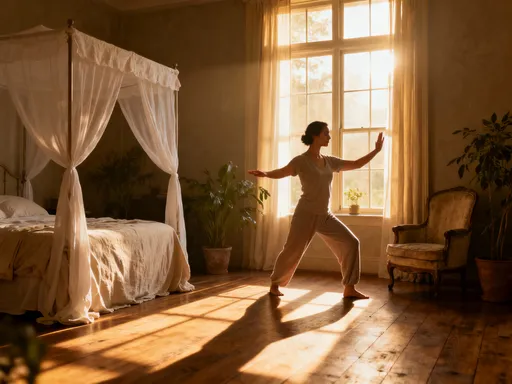
Walking is one of the most accessible and well-researched forms of exercise. Studies show that taking 7,000 to 10,000 steps per day is associated with lower mortality and better health outcomes. Using a pedometer or smartphone app can help track progress and provide motivation. Strength training can be incorporated using bodyweight exercises such as squats, lunges, push-ups, or resistance bands. These require minimal space and can be done at home. Flexibility and balance exercises, such as yoga or tai chi, are also important, especially for fall prevention and joint health. Including a variety of movement types ensures comprehensive benefits.
The focus should be on consistency, not intensity. Starting small—such as a 10-minute walk after meals—can lead to lasting habits. Gradually increasing duration and frequency allows the body to adapt without injury. Scheduling workouts like appointments, finding a walking partner, or joining a community class can enhance accountability. Listening to the body is equally important; rest and recovery are part of the process. Over time, these small efforts accumulate into significant long-term gains. The goal is not to achieve peak performance but to maintain vitality, mobility, and resilience across the lifespan.
Beyond the Gym: Lifestyle Synergy and When to Seek Expert Advice
While exercise is a cornerstone of healthy aging, it works best when combined with other lifestyle factors. Sleep, nutrition, and stress management are interconnected pillars that amplify the benefits of physical activity. Quality sleep supports muscle recovery, hormone regulation, and brain detoxification—processes essential for cellular repair. A balanced diet rich in whole grains, lean proteins, healthy fats, and colorful vegetables provides the nutrients needed for energy production and tissue maintenance. Chronic stress, on the other hand, can accelerate aging by increasing inflammation and cortisol levels, counteracting some of the positive effects of exercise.
Therefore, a holistic approach yields the best results. Mindfulness practices, such as meditation or deep breathing, can help manage stress and improve emotional well-being. Staying socially connected has also been linked to longer, healthier lives. However, it’s important to recognize that individual needs vary. Before beginning any new exercise program, especially for those with chronic conditions or mobility limitations, consulting a healthcare provider is essential. A doctor or physical therapist can help tailor a safe and effective plan based on personal health status.
Similarly, working with a certified fitness professional can ensure proper form and progression, reducing the risk of injury. The goal is not to follow a one-size-fits-all regimen but to create a personalized, sustainable routine that supports long-term health. Movement is not a temporary fix or a cosmetic solution—it is a lifelong commitment to well-being. By integrating regular physical activity into daily life, individuals can influence how they age, not just in years, but in quality of life. The science is clear: staying active is one of the most powerful ways to preserve vitality, independence, and joy in the years ahead.