How Exercise Transformed My Hair Health Without Any Fancy Products
You probably don’t think your workout routine affects your hair—but it does. I didn’t either, until I started noticing less shedding, stronger strands, and a healthier scalp after months of consistent exercise. No expensive serums, no miracle shampoos—just movement. Turns out, blood flow, hormone balance, and stress reduction play huge roles in hair health. This is how I discovered one of the most effective, natural ways to support beautiful hair from the inside out.
The Unexpected Connection: Hair Health and Physical Activity
Most people believe that healthy hair begins and ends with the products they apply—shampoos, conditioners, oils, and treatments marketed for shine, volume, or growth. While topical care has its place, it only addresses the surface. The true foundation of strong, vibrant hair lies within the body’s internal environment. One of the most overlooked yet powerful influences on this internal system is regular physical activity.
When you engage in consistent exercise, your body undergoes a cascade of beneficial physiological changes. One of the most direct effects is improved circulation. Blood carries oxygen and essential nutrients—like iron, biotin, and amino acids—to every cell in the body, including hair follicles. These nutrients are critical for the production of keratin, the protein that makes up the structure of each hair strand. Without a steady supply, hair can become brittle, weak, and prone to breakage.
At the same time, exercise helps regulate hormones that are deeply involved in hair health. Cortisol, often referred to as the stress hormone, can rise during periods of prolonged pressure or anxiety. Elevated cortisol levels have been linked to disruptions in the hair growth cycle, particularly pushing more follicles into the resting phase, which eventually leads to shedding. Regular physical activity has been shown to lower cortisol over time, helping the body maintain a more balanced hormonal state.
Another hormone influenced by exercise is dihydrotestosterone (DHT), a derivative of testosterone. In genetically predisposed individuals, DHT can shrink hair follicles and shorten the growth phase, contributing to thinning, especially at the crown and temples. While exercise alone cannot eliminate genetic factors, it supports overall hormonal equilibrium and reduces systemic inflammation—both of which can mitigate the negative impact of DHT.
The connection between movement and hair may seem indirect, but the evidence is clear: what benefits your heart, brain, and muscles also benefits your scalp. Exercise isn’t a magic solution, but it is a foundational pillar in the ecosystem of hair health—one that works quietly, consistently, and from within.
My Journey: From Thinning Hair to Noticeable Improvement
My own experience with hair changes began during a particularly stressful chapter of life. I was juggling work deadlines, family responsibilities, and sleepless nights, and over time, I started noticing more hair in my brush, on my pillow, and in the shower drain. At first, I dismissed it as normal shedding. But when my ponytail visibly thinned and my part widened, I became concerned.
Like many women in their 30s and 40s, I turned to the beauty aisle. I tried shampoos with biotin, conditioners infused with collagen, and scalp serums promising to “reactivate dormant follicles.” I massaged oils into my scalp, followed elaborate routines, and even considered supplements—yet the shedding persisted. The results were temporary at best, and my confidence began to wane.
It wasn’t until a routine check-up that my doctor gently suggested I look beyond topical solutions. She asked about my stress levels, sleep quality, and physical activity. When I admitted I hadn’t exercised in months and was averaging five hours of sleep, she didn’t prescribe medication. Instead, she recommended starting with small, sustainable lifestyle changes—especially regular movement.
That conversation was a turning point. I committed to 30 minutes of physical activity five days a week. I started with brisk walking—something manageable and low-impact. As my stamina improved, I added bodyweight strength training two days a week and gentle yoga on weekends. I wasn’t chasing fitness milestones; I was simply moving my body with consistency.
Within six weeks, I began to notice subtle shifts. My scalp felt less tight and itchy. My hair didn’t tangle as easily, and when I brushed it, fewer strands came out. By the third month, friends commented that my hair looked thicker and shinier. I didn’t have dramatic regrowth, but the texture had improved, and the excessive shedding had slowed significantly. The change wasn’t from a new product—it was from a new habit.
This journey taught me that hair health is not isolated from the rest of the body. It reflects how we manage stress, nourish ourselves, and move through our days. Exercise didn’t erase my genetic predisposition or undo years of stress, but it created the conditions for my hair to thrive again. It was a reminder that sometimes, the most powerful solutions are the simplest ones.
Why Blood Flow Matters for Your Scalp
The scalp is an extension of the skin, rich in blood vessels and home to over 100,000 hair follicles. Each follicle depends on a steady stream of oxygen and nutrients to function properly. When blood flow is compromised—due to poor circulation, stress, or inactivity—follicles may receive insufficient nourishment, leading to weaker hair production and even dormancy.
Exercise directly addresses this issue by enhancing cardiovascular function. When you move, your heart pumps more efficiently, and your blood vessels dilate to deliver oxygen-rich blood to working muscles. This improved circulation isn’t limited to the limbs—it extends to the scalp as well. Studies have shown that aerobic activity increases microcirculation in the skin, including the scalp, which supports follicle vitality and encourages the anagen (growth) phase of the hair cycle.
One small-scale study published in the journal Lasers in Surgery and Medicine found that participants who engaged in regular moderate-intensity exercise showed increased hair density after six months, compared to a sedentary control group. While the study wasn’t large, it highlighted a compelling trend: movement supports hair growth, likely through improved blood flow.
Even mild forms of exercise, such as walking or stretching, can make a difference. These activities may not raise your heart rate dramatically, but they still stimulate circulation. For women who spend long hours sitting—whether at a desk, in a car, or at home—this low-level movement can counteract the stagnation that affects blood flow to the head.
In addition, certain exercises that involve inversion or forward bending—like yoga poses such as downward dog or child’s pose—can temporarily increase blood flow to the scalp. While these effects are short-lived, regular practice may contribute to a healthier scalp environment over time.
The takeaway is clear: you don’t need to run marathons to support your hair. Consistent, moderate movement enhances circulation in a way that topical treatments never can. By improving the delivery of nutrients and removing metabolic waste from follicles, exercise creates the internal conditions necessary for strong, resilient hair.
Stress, Hormones, and Hair Loss: How Exercise Balances Both
One of the most common yet misunderstood causes of hair shedding is stress. Not the everyday kind of stress that comes with a busy schedule, but chronic, unmanaged stress that keeps the body in a constant state of alert. When this happens, the adrenal glands produce excess cortisol, which can disrupt numerous bodily systems—including the hair growth cycle.
Under normal conditions, hair grows in three phases: anagen (growth), catagen (transition), and telogen (resting). At any given time, about 10% of scalp hairs are in the telogen phase, shedding naturally to make way for new growth. However, high cortisol levels can trigger a condition called telogen effluvium, in which a much larger percentage of hairs shift prematurely into the resting phase. This leads to noticeable shedding several weeks or months later, often catching people off guard.
Exercise is one of the most effective, science-backed tools for managing cortisol. Physical activity helps regulate the hypothalamic-pituitary-adrenal (HPA) axis, the body’s central stress response system. Over time, regular movement trains the body to return to baseline more quickly after a stressor, reducing overall cortisol burden. This doesn’t mean exercise eliminates stress—it helps the body cope with it more efficiently.
Beyond cortisol, exercise also influences other hormones that affect hair. Insulin resistance, often linked to poor diet and inactivity, can lead to elevated insulin levels, which in turn may increase androgen production. Higher androgens can contribute to hair thinning in women, particularly those with polycystic ovary syndrome (PCOS). Regular physical activity improves insulin sensitivity, helping to stabilize these hormonal fluctuations.
Additionally, exercise supports healthy levels of sex hormone-binding globulin (SHBG), a protein that regulates the availability of sex hormones in the bloodstream. Higher SHBG levels can reduce the amount of free testosterone and DHT, potentially lessening their impact on hair follicles.
The relationship between hormones and hair is complex, and no single factor operates in isolation. But by supporting hormonal balance through movement, women can create a more favorable internal environment for hair growth. This isn’t about drastic changes—it’s about consistent, moderate exercise that helps the body stay in harmony.
The Best Types of Exercise for Hair Health (And Why)
Not all forms of exercise offer the same benefits for hair, though nearly any movement is better than none. A balanced routine that includes aerobic activity, strength training, and mindful movement provides the most comprehensive support for scalp and hair health.
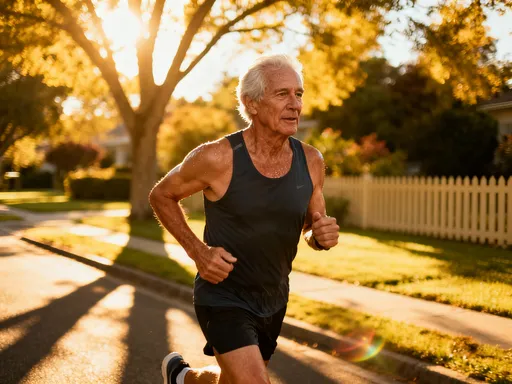
Aerobic exercises—such as brisk walking, jogging, cycling, or dancing—are particularly effective at boosting circulation. These activities elevate the heart rate, increasing blood flow throughout the body, including the scalp. Even 20 to 30 minutes of moderate aerobic exercise, performed most days of the week, can make a measurable difference over time. The key is consistency rather than intensity. A daily walk in the park can be just as beneficial as a high-intensity interval training (HIIT) session, especially for women who are new to exercise or managing stress-related hair loss.
Strength training, often overlooked by women who fear “bulking up,” plays a crucial role in metabolic health. Building lean muscle increases resting metabolic rate, improves insulin sensitivity, and supports hormone regulation—all of which indirectly benefit hair. Bodyweight exercises like squats, lunges, and push-ups, or light resistance training with bands or dumbbells, are safe and effective options. Two to three sessions per week are sufficient to gain these benefits without overexertion.
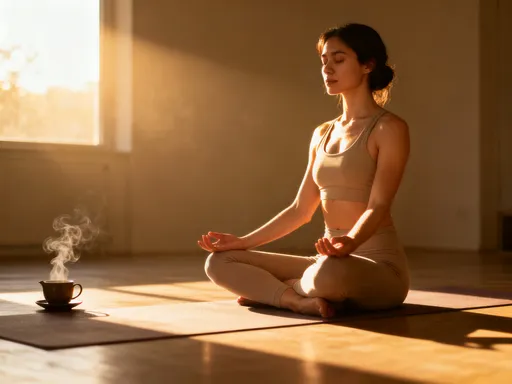
Yoga and stretching deserve special mention for their dual impact on circulation and stress reduction. Poses that involve forward bends or inversions—such as downward dog, legs-up-the-wall, or seated forward fold—can temporarily increase blood flow to the head. At the same time, the mindful breathing and relaxation techniques used in yoga help lower cortisol levels. A regular yoga practice, even just 15 to 20 minutes a few times a week, can support both mental well-being and hair health.
The goal is not to adopt an extreme fitness regimen but to create a sustainable routine that fits into daily life. For many women, this means combining different types of movement: a morning walk, a midday stretch, or an evening yoga session. The variety keeps the routine engaging and ensures that multiple systems—circulatory, hormonal, and nervous—are supported.
Lifestyle Synergy: Sleep, Nutrition, and Consistency
Exercise does not work in isolation. Its benefits are amplified when paired with other healthy lifestyle habits, particularly quality sleep and balanced nutrition. Hair growth is a slow, energy-intensive process that depends on the body’s ability to repair and regenerate—and this happens most effectively during restful sleep.
Sleep and exercise are deeply interconnected. Regular physical activity can improve sleep quality by helping the body fall asleep faster and stay in deep sleep longer. Conversely, poor sleep can increase cortisol and reduce motivation to exercise, creating a negative cycle. Women who exercise earlier in the day—especially in the morning or afternoon—often report better sleep patterns, which in turn supports hair health.
Nutrition is equally important. Hair is made of protein, so adequate intake of high-quality protein sources—such as eggs, legumes, fish, and lean meats—is essential. Iron deficiency, common in women of reproductive age, is a well-documented cause of hair loss. Vitamin B12, vitamin D, zinc, and omega-3 fatty acids also play critical roles in maintaining healthy hair. While no single food can reverse shedding, a varied, nutrient-dense diet provides the building blocks that exercise helps deliver to the follicles.
Hydration should not be overlooked. Water is essential for all cellular functions, including those in the scalp. Dehydration can lead to dryness, flakiness, and reduced elasticity in hair strands. Drinking enough water throughout the day supports both internal hydration and circulation.
The synergy between movement, sleep, and nutrition creates a powerful foundation. One does not replace the others; rather, they work together to create optimal conditions for hair growth. The focus should be on consistency, not perfection. Missing a workout or eating an unbalanced meal won’t undo progress. What matters is the overall pattern over time.
Realistic Expectations and When to Seek Help
While exercise can significantly improve hair texture, reduce shedding, and support overall scalp health, it is not a cure for all types of hair loss. Genetics, medical conditions such as thyroid disorders, autoimmune diseases like alopecia areata, and significant hormonal imbalances may require professional evaluation and treatment.
Women who experience sudden, patchy hair loss, scalp pain, or changes in skin texture should consult a healthcare provider. Blood tests can identify deficiencies in iron, vitamin D, or thyroid hormones, all of which can contribute to hair thinning. In such cases, exercise remains beneficial but should be part of a broader care plan.
It’s also important to manage expectations. Hair grows slowly—about half an inch per month—and changes from lifestyle improvements may take 2 to 3 months to become visible. Patience is essential. Many women give up too soon, not realizing that the body needs time to respond to new habits.
The goal of this approach is not to promise miraculous regrowth but to empower women with sustainable, science-backed strategies. Exercise is accessible, affordable, and free of side effects. It supports not only hair but overall well-being—energy levels, mood, sleep, and confidence.
If hair loss persists despite consistent effort, seeking guidance from a dermatologist or healthcare provider is the next step. They can help determine whether underlying conditions are involved and recommend appropriate treatments, such as topical minoxidil (when appropriate) or nutritional supplementation under medical supervision.
Conclusion
Beautiful hair isn’t just about what you put on it—it’s about how you treat your body. Exercise turned out to be one of the most effective, accessible tools I’ve found for supporting hair health naturally. By improving circulation, lowering stress, and balancing hormones, movement nourishes hair from within. It’s not a quick fix, but a lasting investment. Start small, stay consistent, and let your body do the rest.