This Is What 5 Years of Daily Meditation Did to My Life
What if just 10 minutes a day could quietly reshape your entire life? I started meditating with no expectations—just curiosity. Over five years, small moments of stillness added up. My focus sharpened, stress lost its grip, and joy found me in ordinary moments. It wasn’t magic—just consistency. This is how a simple practice became the foundation of my well-being, transforming not just my mind, but my quality of life.
The Breaking Point: Why I Finally Tried Meditation
For years, I believed stress was simply part of being a responsible adult. I managed a demanding job, cared for my family, and tried to keep up with endless household responsibilities. On paper, life looked balanced. In reality, I was running on empty. My thoughts raced the moment I woke up, planning the day before my feet even touched the floor. I’d lie awake at night replaying conversations, worrying about deadlines, or wondering if I had done enough. Emotionally, I was frayed—snapping at my children over spilled milk, feeling overwhelmed by minor setbacks, and struggling to find joy in things that once brought me peace.
Physically, the toll was just as real. I experienced frequent tension headaches, low energy, and digestive discomfort that no doctor could fully explain. My primary care physician listened carefully and suggested I explore stress reduction techniques. There was no prescription, no lab test—just a gentle reminder that my body was sending signals I could no longer ignore. That conversation planted a seed. I began reading about mindfulness and stumbled upon a friend’s casual mention of meditation. She described it not as a spiritual ritual, but as a practical tool—a way to create space between stimulus and response. At the time, the idea of sitting still felt impossible, even indulgent. But desperation outweighed skepticism. I wasn’t looking for enlightenment; I was looking for relief. That quiet moment of surrender—admitting I couldn’t keep going as I was—was the first step toward change.
Starting Small: My First 30 Days of Meditation
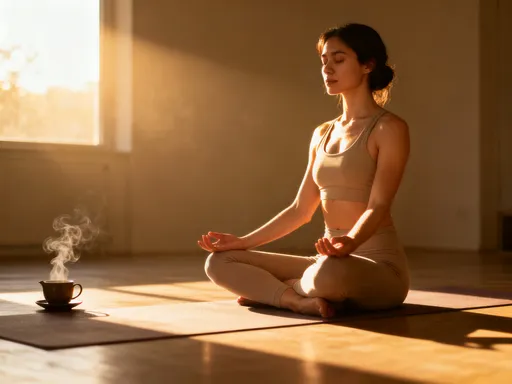
I began with just five minutes a day, using a widely available mindfulness app that guided beginner sessions. I didn’t buy special cushions or candles. I simply sat on the edge of my bed each morning, closed my eyes, and focused on my breath. The goal wasn’t to stop thinking—that expectation, I quickly learned, was a myth. Instead, the practice was about noticing when my mind wandered and gently bringing it back. The first week was humbling. My thoughts jumped from grocery lists to work emails to childhood memories. I felt restless, bored, and at times, frustrated. I questioned whether I was doing it right or if I was even cut out for this kind of practice.
By day 10, subtle shifts began to appear. I noticed a brief pause before reacting when my daughter spilled her juice at breakfast. Instead of reacting with irritation, I took a breath and said, “It’s okay. Let’s clean it up together.” That small moment felt significant. It was the first time in years I hadn’t responded automatically to a minor disruption. By the end of the first month, I was sleeping more soundly and waking with less mental fog. I didn’t feel transformed, but I felt different—lighter, somehow. This early phase taught me that meditation isn’t about achieving a perfect state of calm. It’s about building awareness. The real progress wasn’t in the stillness during meditation, but in the growing ability to recognize my patterns and choose how to respond. I learned that consistency mattered more than duration, and that showing up—even on days when I didn’t feel like it—was the foundation of lasting change.
Rewiring the Brain: The Science Behind Long-Term Meditation
What I experienced wasn’t just subjective—it was supported by science. Over the past two decades, neuroimaging studies have shown that regular meditation can lead to measurable changes in brain structure and function. One of the most compelling findings comes from research using functional magnetic resonance imaging (fMRI), which reveals that long-term meditators develop increased gray matter density in regions associated with attention, emotional regulation, and self-awareness. The prefrontal cortex, responsible for decision-making and focus, becomes more active and interconnected. At the same time, the amygdala—the brain’s alarm center that triggers fear and stress responses—shows decreased activity and even shrinks in volume over time.
These changes are not immediate, but they are real and cumulative. Think of the brain like a muscle: just as strength training builds physical endurance, meditation strengthens mental resilience. A landmark study from Harvard University found that participants who practiced mindfulness meditation for just eight weeks showed significant brain changes, including improved attention spans and reduced anxiety levels. Another study published in the journal Psychiatry Research demonstrated that meditation can reduce symptoms of depression and improve emotional stability. This isn’t about replacing medical treatment when needed, but about enhancing the brain’s natural capacity to manage stress and maintain balance. The science confirms what many practitioners report: meditation doesn’t eliminate life’s challenges, but it changes how we relate to them. Over five years, my brain didn’t just adapt—it evolved, becoming better equipped to handle pressure, regulate emotions, and maintain clarity even in difficult moments.
Beyond Calm: Unexpected Benefits That Changed My Daily Life
At first, I meditated to reduce stress and sleep better. But as the months turned into years, benefits emerged that I hadn’t anticipated. One of the most profound was improved emotional intelligence. I began to notice my reactions before they turned into outbursts. When a driver cut me off in traffic, my old response would have been anger and honking. Now, I found myself taking a breath, recognizing the impulse, and letting it pass. This wasn’t suppression—it was awareness. I was no longer a prisoner of my automatic reactions.
My relationships deepened as a result. I became a better listener. Instead of planning my response while someone was speaking, I learned to be fully present. Conversations with my husband felt more meaningful. I noticed the tone of my children’s voices, their unspoken moods, and responded with more patience and empathy. Even at work, colleagues commented that I seemed more composed and thoughtful in meetings. Decision-making improved because I was less reactive and more reflective. I stopped rushing into choices out of anxiety and began pausing to consider options more clearly. Creativity also flourished. Ideas came more naturally during walks or quiet moments, as if my mind, no longer cluttered with constant mental noise, had space to wander and connect. These changes weren’t dramatic shifts overnight, but gradual evolutions that collectively transformed the texture of my daily life. Meditation didn’t make life easier, but it made me more capable of living it well.
Making It Stick: How I Built a Sustainable Practice
The biggest challenge wasn’t starting—it was staying consistent. There were weeks when early mornings were chaotic, when school drop-offs ran late, or when illness disrupted routines. There were days I skipped meditation not because I didn’t want to, but because I told myself I didn’t have time. I learned that motivation fades, but systems endure. The key was to anchor meditation to an existing habit. I chose brushing my teeth as my trigger—immediately after, I would sit on my bedside chair for five to ten minutes. This method, known as habit stacking, made the practice feel like a natural part of my morning, not an extra task.
I also redesigned my environment to support consistency. I kept my meditation spot simple but inviting—a cushion, a small blanket, and a quiet corner free from distractions. I turned off notifications and let my family know this was my time. Importantly, I released the need for perfection. Missing a day didn’t mean failure—it meant I was human. What mattered was returning without guilt. I also adjusted the length of practice based on my energy. Some days it was two minutes; others, twenty. The goal wasn’t duration, but presence. Over time, meditation became less of a scheduled activity and more of a natural rhythm—like breathing, something I didn’t have to force, but something I came to rely on. The practice evolved from something I did to something I was—a quiet awareness that stayed with me throughout the day.
Quality of Life, Redefined: A Deeper Sense of Presence
After five years, my understanding of well-being has fundamentally shifted. I used to think quality of life meant achieving certain milestones—career success, financial stability, a tidy home. While those things matter, I now see that true well-being is rooted in presence. Meditation taught me to slow down and notice what’s already here. I savor the warmth of sunlight through the kitchen window. I laugh more freely at my son’s jokes. I pause to watch the wind move through the trees. These moments don’t require grand gestures or special occasions—they are available every day, to anyone willing to pay attention.
Life still brings challenges. There are days of frustration, grief, and uncertainty. But meditation has changed my relationship with difficulty. I no longer resist every uncomfortable feeling or rush to distract myself. Instead, I’ve learned to sit with discomfort, to observe it without judgment. This doesn’t make pain disappear, but it prevents it from consuming me. Joy, too, feels more authentic. Because I’m not constantly chasing the next thing, I can fully inhabit the good moments when they come. This deeper sense of presence hasn’t made me immune to life’s ups and downs, but it has given me a steadier anchor. I no longer feel tossed by every wave. Instead, I’ve learned to stand in the storm with greater calm, knowing that peace isn’t the absence of chaos, but the ability to remain centered within it.
Starting Your Own Journey: Simple Steps for Real People
If you’ve ever considered meditation but felt intimidated, know this: you don’t need hours of silence, a special studio, or years of experience. You only need a few minutes and a willingness to begin. Start small—two or five minutes is enough. Find a quiet spot where you won’t be interrupted. Sit comfortably, either on a chair or cushion, with your back straight but not rigid. Close your eyes or soften your gaze. Bring your attention to your breath—feel the air moving in and out of your body. When your mind wanders (and it will), gently guide it back without judgment. That act of returning is the practice.
You don’t need to clear your mind—thoughts will come. The goal isn’t to stop them, but to observe them without getting caught in their current. You can also try guided meditations, which are widely available through free apps or online platforms. These provide structure and support, especially in the beginning. Focus on consistency, not perfection. Some days will feel easier than others. That’s normal. What matters is showing up. Over time, those small moments accumulate into meaningful change. You don’t have to believe in anything mystical or adopt a new identity. Meditation is not about becoming someone else—it’s about coming home to yourself. And in that return, you may discover a quieter strength, a deeper resilience, and a life that feels more fully lived.
Meditation didn’t fix everything. But it gave me tools to face life with more balance, clarity, and grace. After five years, it’s no longer a practice—I carry it with me, moment to moment. The greatest change? Learning to live, not just survive. And that, more than anything, has elevated my quality of life.